Hello everybody.

The fact that there is a 12 year old daughter and 24 year old daughter in the family means my ability to notice current millennial behavior is greatly increased.
I was watching an old school kid show on TV over the weekend – Johnny Sokko and His Flying Robot. Johnny Sokko was one of those Asian Superhero shows created in the 1960s and 1970s that had giant monsters walking around and people treated them similar to the way many people treat minorities now; some are good, some are bad, but always take caution when you see them.

Johnny Sokko was this 8 year old kid who hung with adults who all wore orange motorcycle helmets, military-style outfits and carried guns (even Johnny!). The crew was on constant lookout for the next monster, or mad scientist who turned into a monster, or looked like a monster, and wanted to take over the earth. It often appeared that the people responsible for negotiations with the monsters were six middle-aged Asian men (maybe one extra white guy) in a room with a lot of wood paneling.
Johnny had the power to call on his 30-foot robot (How? Why? You just gotta go with it…), which had an Egyptian-themed face, to fight the monsters. The robot had missiles for fingers, jet engines that came out of the bottom of the robot’s feet, and the robot could emit flame throwers from his mouth. It all made perfect sense to me at 9 years old.
“How could you watch this? These effects are so weak!”, said Dawn. The episode we were watching had a bad guy who was looked sprayed with silver primer with what looked like aluminum foil on his eyebrows. I told dawn that before Star Wars (1977) we had to take what we could get in our fantasy/superhero viewing; that I was genuinely shocked when I found out Godzilla was a MAN IN A SUIT.
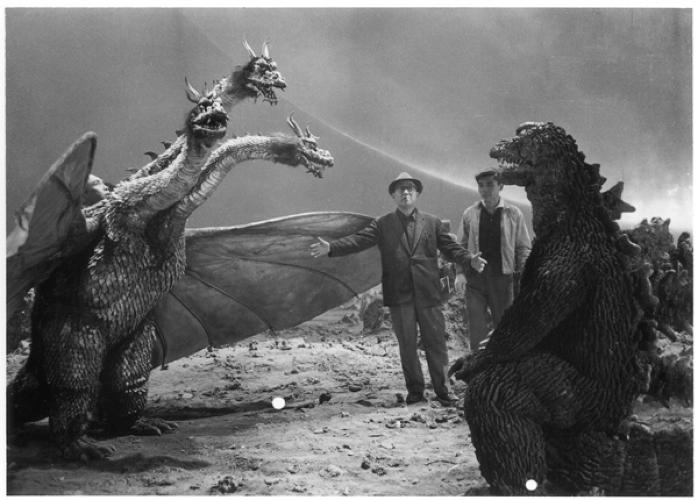
Computer Generated Imagery now makes it possible to show dinosaurs that look like real animals (I laugh when people say “the look like real dinosaurs”, like we’ve seen one before), not bat an eye in believing the opinion of a talking racoon, and wish that we could visit Wakanda.
What young people are good at (and should continue to be good at) is an ability to say “not enough!” I’m in my 50s, and enjoy the Marvel/DC movies because the technicians of today are providing images that I only dreamed about in 8th grade.
It was primarily young people who felt Amazon wanted to come to New York to make a ton of money without paying taxes. Opponents feel Amazon could have brought increased business from people servicing those who would work at the Amazon location, as well as support neighborhood schools and communities – but this was not articulated as well as those under 30 commenting on the inequity of a big corporation not doing their part and paying taxes like the rest of us, or having the taxes Amazon does not pay applied to those already trying to make a decent living.

And who has not been familiar with old people hating on young people’s music? Comedian Louie Anderson tells a joke about how his grandfather probably heard from his great-grandfather, “Will you turn down that damn Benny Goodman!” Based on the current period in history, the music can represent the aspirations, frustrations and observations of the people making the music. I’m sure that Trap Music today will be replaced in another decade by something millennials will shake their head about. Some of the stuff I really like (Kendrick Lamar, Ed Sheeran, Janelle Monae, Chris Stapleton, Ella Mae), while the success of some are baffling to me (Lil Baby, Juice WRLD, Meek Mill). And have you noticed that rock has just about gone the way of the dodo? Most of all popular music has an RnB, Rap, Pop and Country influence. Folks listening to Led Zepplin, Rolling Stones and Aerosmith walking with canes and wearing adult diapers.
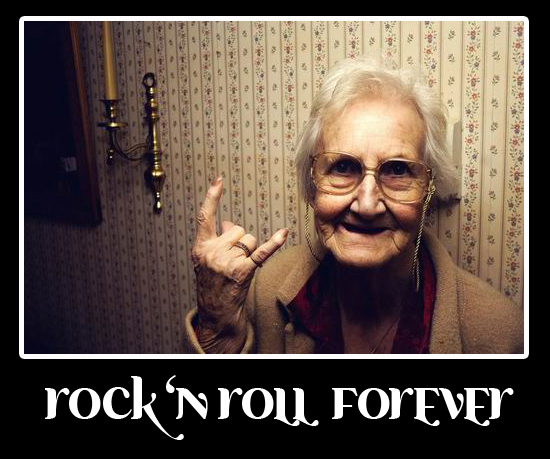
It’s the job of the younger generation to call out the hipocracy of those who came before, to offer bold ways of thinking, and to do their best to make the world a more inclusive and healthier place. Good for them; now get off my lawn you whipper-snappers.

Enjoying a new generation of World Series winners, 2016.
 From the Desk of Daddy D